The MGA With An Attitude
MGA assembly in Australia, More Details - CKD-102B
The general process of shipping and assembling CKD cars is much the same anywhere they go. In most cases some parts are omitted from the shipment depending on what things can be locally sourced. Tires and batteries are the most common examples, but there can be much more.
Most people do not know of the extent of Australian parts in MGA's and MGB's, and other British cars assembled in Australia. Locally fully made items include (in some cases) cylinder blocks and heads (both casting and machining), crankshafts, conrods, pistons, gearbox (all parts) rear axles, clutches, springs, seats, trim, all electrical components (coils, distributors, generator, starter motors), etc. Basically every part except the SU's. Not all of these parts were local source for the MGA cars. Specifically, MGA engines, gearboxes and rear axles were always shipped from the factory in England fully assembled but without accessory parts. Rear leaf springs may have been local manufacture (by rumor).
A few words from Garry Kemm:
"Local content in the MGA was not a set amount throughout the 5 years of Australian BMC assembly. The first 72 Australian CKD MGA’s actually had the all UK interior including leather seats, and UK made hoods. Thereafter the interior was Australian sourced with vinyl seats, but still with UK made hoods. After about 544 Australian CKD MGA’s had been assembled, the hoods were sourced/made locally. Who knows when Australian generators and starters were used? We will probably never know. With the rear springs, I remain to be convinced, what is the evidence they were made locally"?
Regards, -- Garry
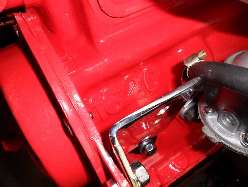
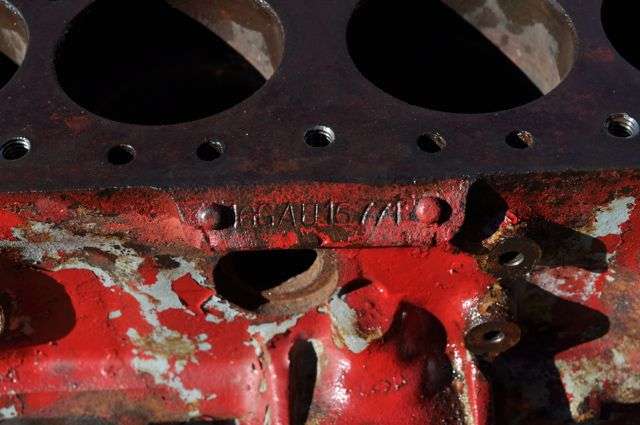
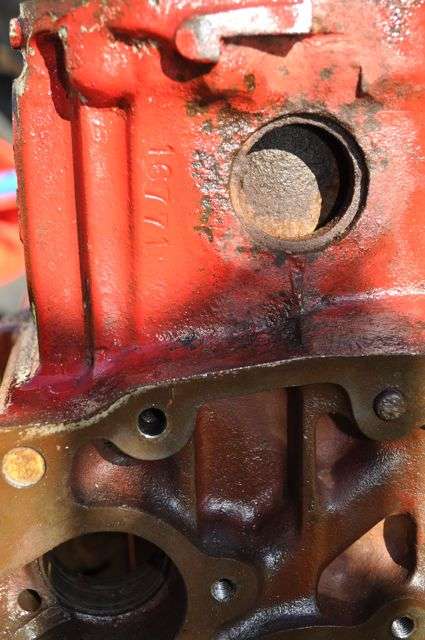
"1620" cast on side of
Australian 1622cc engine block
|
The MGA body panels were pressed in England, but fully welded in Australia. Saloon bodies were pressed in Australia. Australian made gearboxes, rear axles, etc, have MOWOG and a map of Australia on them. There was an Australian made 1622 cc engine used in the saloon cars with "1620" cast on the block. The 1620 engines did not have the narrower bearings and thicker crankshaft, but used the same crankshaft as the 1500/1600 cars, and most commonly also used the "15" head and dished pistons.


Note from Mark Hester in Australia:
These Australian only 1620 cast blocks, share the same 3” bore size with the UK 1622 cast blocks but don’t have the larger 3/4 Gudgeon pin size, they still have the same 11/16 Gudgeon as the 1500 & 1600 engines, making pistons hard to find in 1599cc (not 1588cc). Unsurprisingly only Australian piston manufacturers like JP supply these pistons and their part number is JP0213, listed for these cars Oxford, Major Elite: 1959-64 . It would seem that if people with these 1620 blocks didn’t find the correct Austin/Morris pistons they were fitting oversize 1588 pistons to fit their existing conrods and make up the gap to 3 inch plus, as i’ve seen one 1620 engine with flat top pistons which JP0213 is not in +40 oversize.
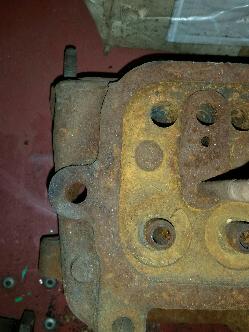
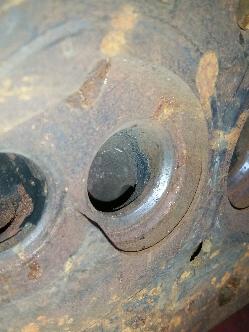
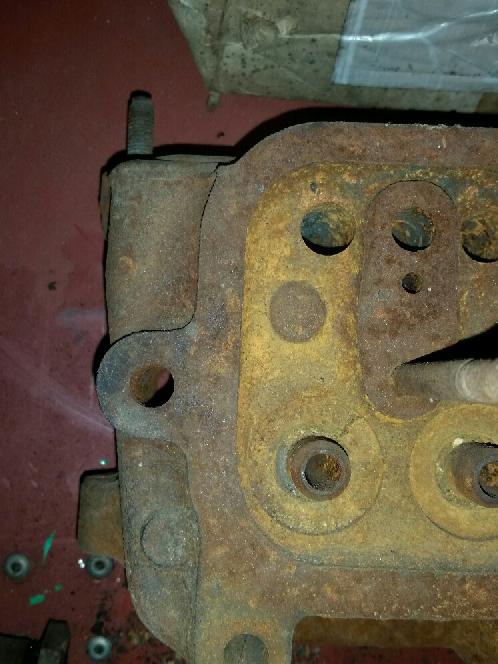
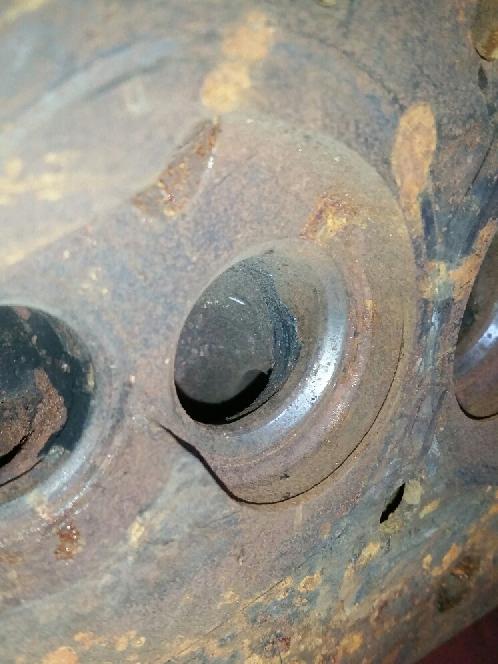
Australian made B-series head with different combustion chamber shape
Apparently it was possible to special order an MGA from the factory in England and have it delivered through a local dealer in Australia. It would have been subject to the additional import duty for the fully assembled car, but a few may have been imported that way. This may have been a way to get slightly quicker delivery of a special order car, or some odd factory options, or the standard factory colors (which were different for the CKD cars). MGA Twin Cam cars were always imported Completely Built Up, never CKD. Also MGA Coupes were not assembled in Australia (and were extremely rare).
Dynamos on Australian pushrod MGA's were completely built by Lucas in Australia. When the C40 dynamo was used the Control Box still had the screw type terminals, right up to the last 1600-MK-II. The Twin Cam dynamo always had iron end plates, where other MGA always had aluminum end plates. Replacement dynamos might have iron end plates, as the basic form is interchangeable with a lot of other cars (including early MGB). Lucas (Australia) made many hundreds of thousands of dynamos. The saloons with the A Series and B Series engines were big sellers down under.
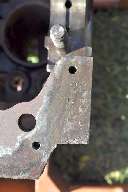
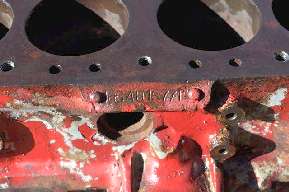
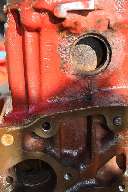
Number stamping on Australian 1600 engine block
Australian regulations required the engine number to be stamped on the engine block, so the original UK factory riveted tag was removed, and the number was stamped on the casting in the same location. These photos also show the serial number part of the engine number stamped into the rear of the block (although I can't say if they were all done that way). Numbers stamped on the bottom of the block near the front corner (20 52 60) are partially under the sump gasket, so had to be stamped before the sump was installed. My best guess is these numbers are a batch and serial number (within the batch) and year of production, most likely stamped on the finished machined casting before any assembly work (before an engine serial number was assigned). If so, these numbers would be irrelevant, unless someone tried to re-stamp an incorrect engine serial number that did not match the machining production date range).
Australian ID plates for 1500 type cars list the model Type as MGA/51. Australian ID plates list Type YGHN2 for the 1600, and YGHN3 for the 1600-Mk-II, the Y denoting Australian built. ID plates also contain Car No. which comprised the UK chassis number with Australian build number added after a '/' (the Mk-II started with build number 501), Engine No. (as per UK, but stamped into the block, not on a plate), and Color. Somewhere through the MkII run, BMC (Aust) ran out of the MG plates, and for the last cars they used the same BMC plates as were being used for Minis and other cars.
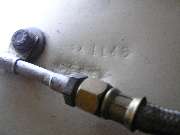
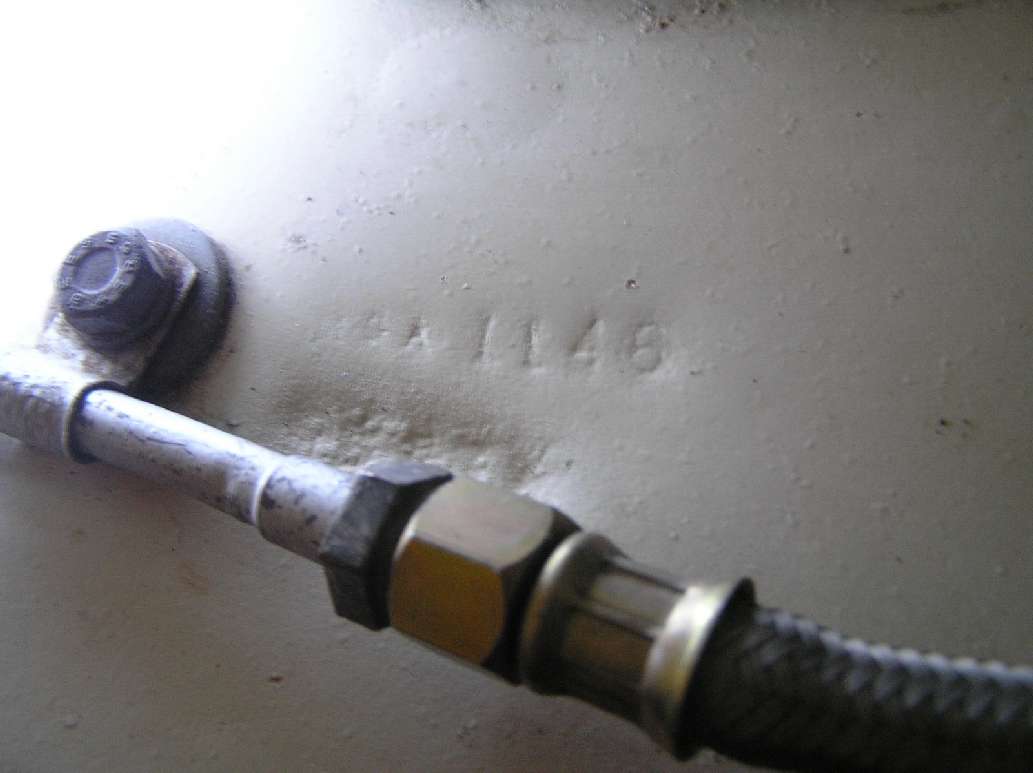
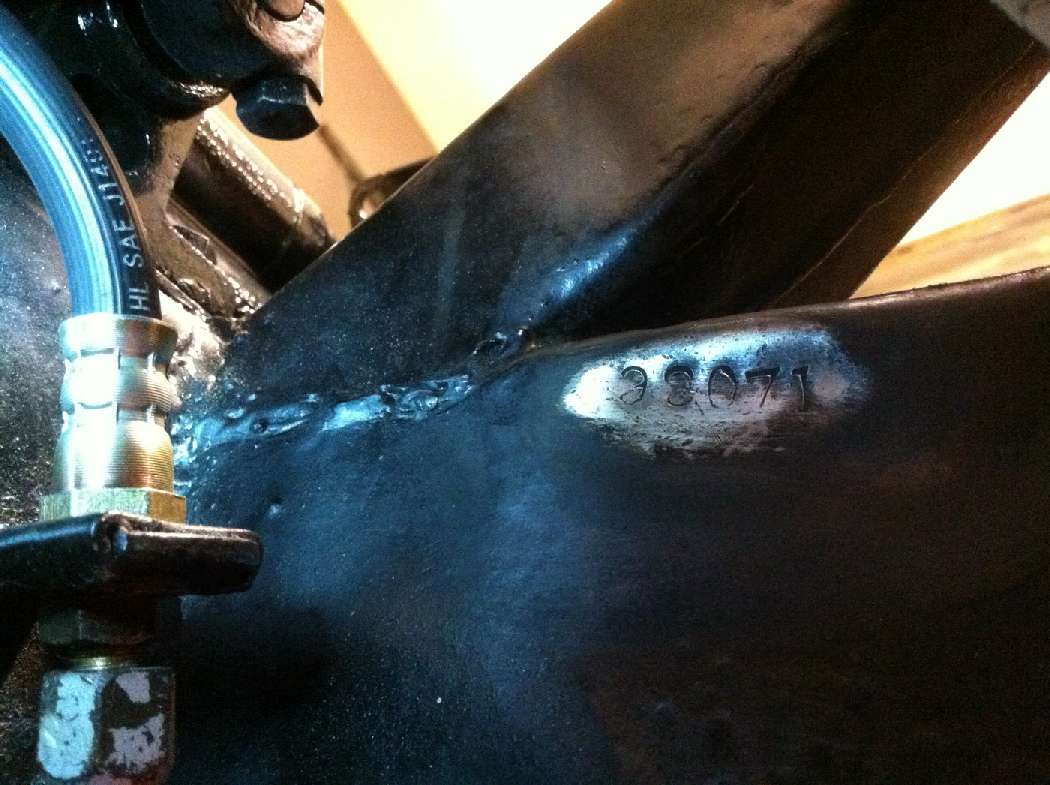
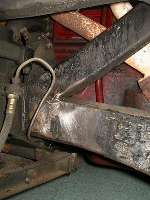 The Australian build number was also stamped into the heater shelf, with the prefix MGA, to the right of the stamped UK chassis number. The UK chassis number was also stamped into the side of the chassis rail under the LH wheel arch on some cars (perhaps less than half of the cars produced). Finally, the early MGBs in Australia confusingly also had Type YGHN3 even though the car was totally different.
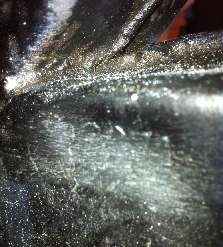
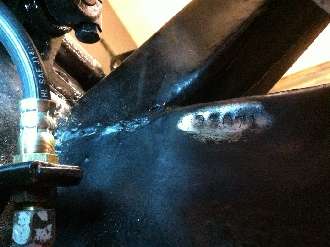
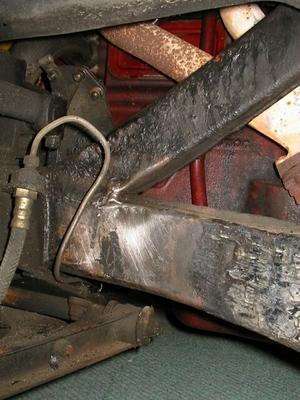
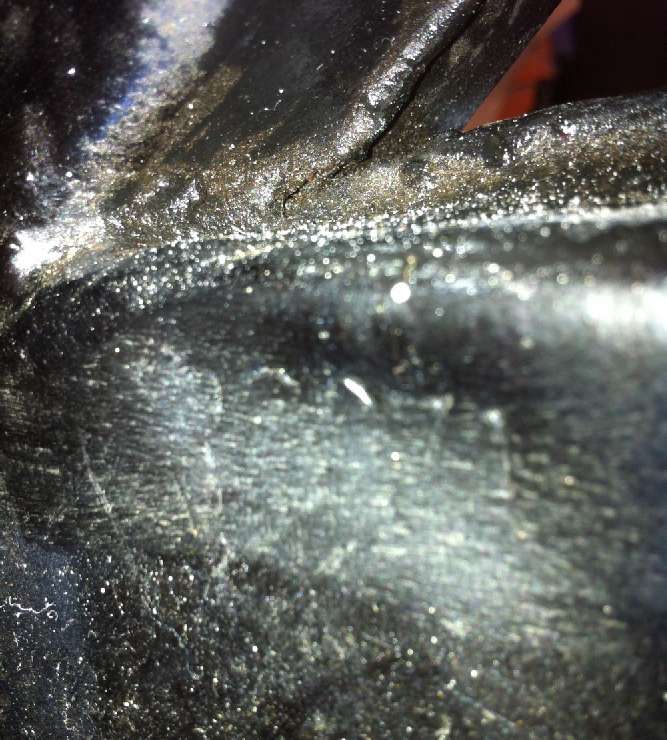
Chassis number on frame, before and after cleaning off the paint. Find this (if it is there) on outboard side of frame after removing left front wheel. If it was originally stamped there but is now obscured, you may find a horizontal dent in the frame about 2-inches long. Not all Aussie CKDs were stamped there but they were all stamped with their BMC chassis number and the Aussie build number up on the heater shelf very close to the end of the solid fuel line.
See some interesting notes about rather unique Australian radios in the Accessories section.
|